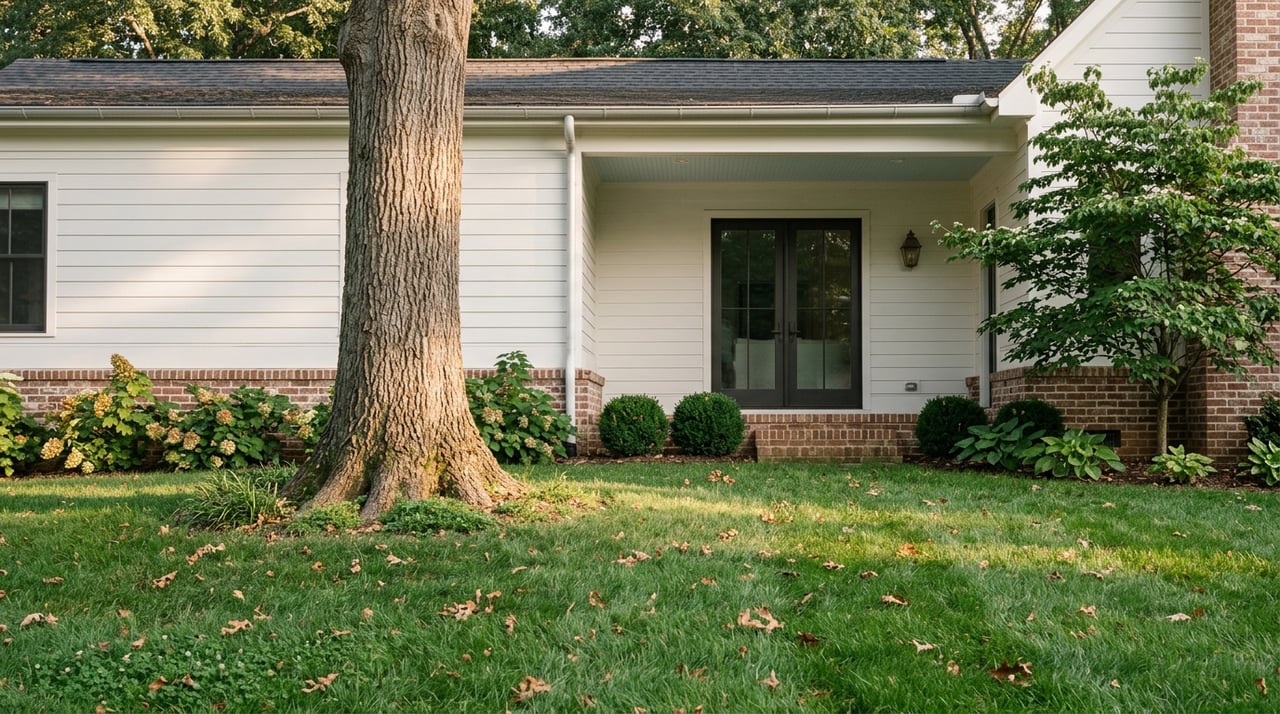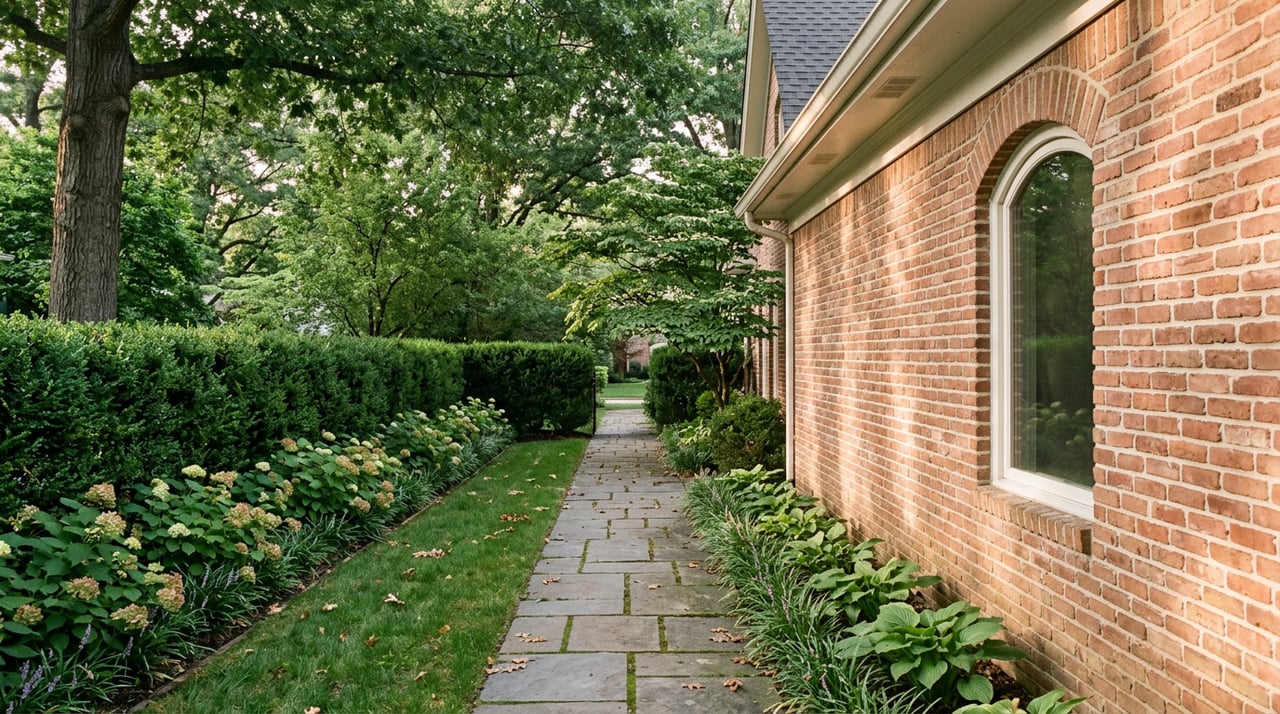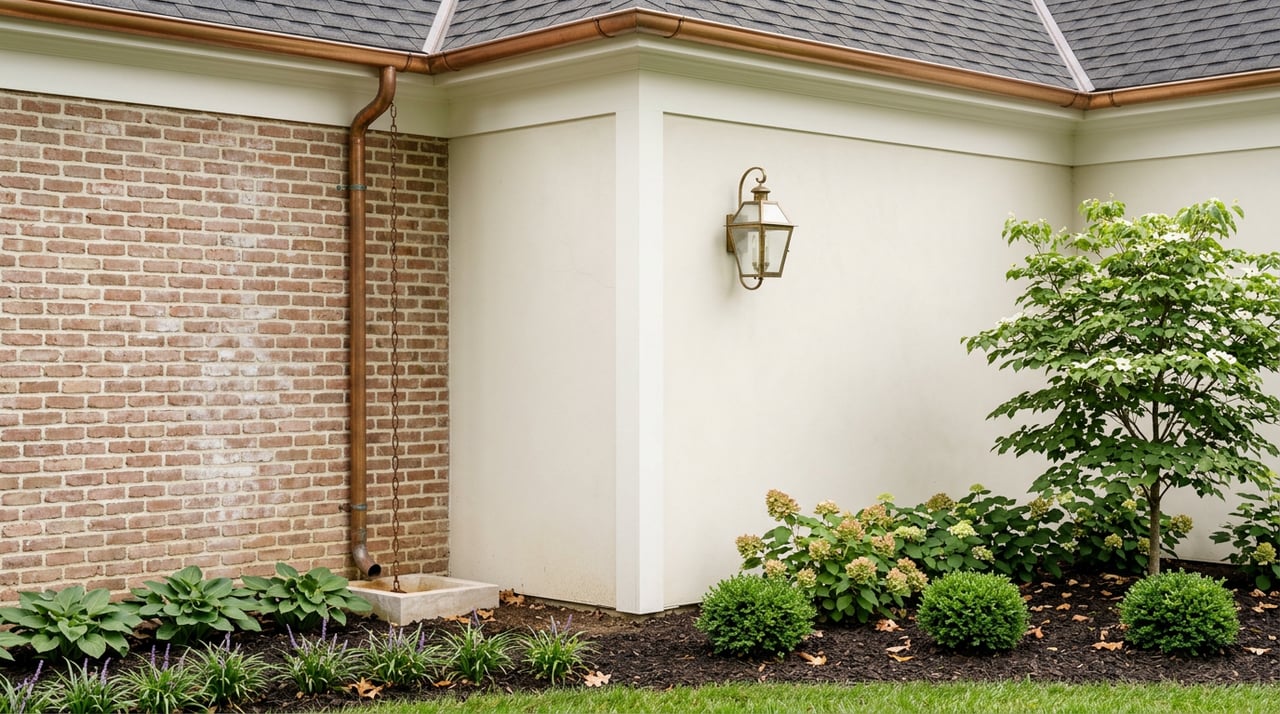
Most Knoxville sellers spend their prep budget on paint, mulch, and a stager's fee. Very few spend it on a radon monitor and a crawlspace flashlight. That imbalance is where deals get repriced.
As of April 2026, Knoxville's median sale price sat at $401,000 with homes closing at roughly 97.92% of list and inventory hovering near a month of supply, according to a Houzeo market snapshot drawing on Redfin, Zillow, and Tennessee Realtors data. In the same window, 54.1% of active listings had already taken a price cut. That combination is the tell. Buyers are still transacting, but they are using the inspection period as their negotiation lever, and East Tennessee gives them four specific levers that don't show up in a Phoenix or Denver checklist.
The thesis is short. In a market where more than half of listings have reduced price at least once, the sellers who close cleanly are the ones who pre-empt the four findings a Knox County inspector is almost certain to raise. None of them are cosmetic. All of them are shaped by East Tennessee's geology, humidity, and statute.
The Four Findings That Come Back Again and Again
Radon. Knoxville sits in the EPA's Zone 1, the agency's designation for highest predicted radon potential. Local mitigation firm National Radon Defense confirms that classification and notes that the EPA recommends testing every home regardless of zone. The empirical picture from local testers is harder still: 1st Choice Home Inspections, which performs residential radon tests across the region, reports that roughly 30% of the homes they test in East Tennessee come back above the EPA's 4.0 pCi/L action threshold. Slab-on-grade and basement homes are the usual suspects, but vented crawlspaces test elevated more often than sellers expect. A mitigation system is typically a solvable line item, but if the buyer's inspector finds it first, it becomes a credit request or a repair contingency instead of a quiet pre-list expense.
Crawlspace moisture. Most homes in Knox County sit on crawlspaces, and Tennessee's humid summers do the rest of the work. Radon 1 estimates that up to 50% of the air on a home's first floor originates beneath it, which is why an unsealed crawlspace with condensation on ductwork or visible efflorescence on piers tends to trigger a moisture, mold, or indoor-air-quality flag on a report. Farragut-based Bent Nail Home Inspection lists crawlspace moisture, exterior water management, and grading as the three concerns it sees most often across Knox County. Encapsulation is not cheap, and buyers rarely accept a verbal reassurance in place of a fix.
Termites. A wood-destroying-organism letter is standard practice on Knox County closings, and Tennessee's climate keeps subterranean termite pressure high year-round. A 2026 Houzeo seller-disclosure guide describes Tennessee as "notorious for termites," and any prior infestation or treatment history has to be disclosed. A clean WDO letter dated within 30 days of listing does more than any staging photo to keep an offer intact through the inspection period.
Sinkholes and karst. This is the finding most sellers underestimate. East Tennessee sits on limestone karst, and Tennessee Code Annotated § 66-5-212 requires the seller to disclose, in writing, the presence of any known sinkhole on the property. That requirement is not waivable by an "as-is" sale. Even where a buyer accepts the general disclaimer, the sinkhole disclosure, along with disclosures for injection wells, prior foundation moves, and percolation tests, still applies. Houzeo's 2026 guide specifically flags hidden sinkholes and subsidence as a recurring "failure to disclose" trap in East Tennessee. A minor depression in the back yard that a seller has mowed around for a decade is exactly the fact pattern that later becomes a lawsuit.
What the Statute Actually Asks You to Say
The Tennessee Residential Property Disclosure Act, codified at Tenn. Code Ann. § 66-5-201 et seq. and available through Justia's public code library, requires sellers of one-to-four-unit residential property to give the buyer either a completed disclosure statement or, only where the buyer waives the disclosure in writing, a disclaimer statement selling the property "as is."
Three points from the statute matter for pricing your prep work:
- The seller only has to disclose defects the seller knows about. There is no obligation to hire an inspector before completing the form, and Tennessee courts have repeatedly hinged liability on whether the seller had actual knowledge.
- Section 66-5-212 disclosures for sinkholes, injection wells, prior foundation relocations, and percolation results are not waived by an as-is sale. They ride along.
- Sellers of residences built before 1978 also owe the federal lead-based-paint disclosure under the Residential Lead-Based Paint Hazard Reduction Act. The EPA pamphlet and warning statement are part of the contract, not optional attachments.
The interaction that trips people up is this: a seller can honestly complete the form based on what they know, list the home, and still walk into a lawsuit if the buyer later shows that a reasonable seller in the same house would have known. The Tennessee firm Pepper Meeks & Whitaker notes that these cases usually turn on circumstantial evidence and credibility. That is a bad place to spend your closing week.
The Pre-List Sequence That Prices the Risk Out
We work the same sequence with sellers across price points, from a Sequoyah Hills bungalow to a lakefront on Fort Loudoun. It is ordered on purpose. Each step either takes a finding off the table or gives you enough information to price it in on your terms.
- Order a 48-hour radon test the week you decide to list. A short-term continuous monitor produces a number you can act on. If the reading is under 4.0 pCi/L, you have a clean data point to hand any buyer's inspector. If it is at or above 4.0, you have time to install mitigation, retest, and disclose the resolution in the same breath as the finding.
- Have a licensed inspector walk the crawlspace before a stager sets foot in the living room. You are looking for standing water, vapor barrier condition, sagging insulation, and any active leak. Moisture readings on framing are cheap. Discovering rot two days before a closing is not.
- Pull a current WDO letter. A termite letter more than a few months old signals to a buyer that you are hoping their inspector doesn't look closely. A fresh one signals the opposite.
- Walk the lot for depressions. Any circular low spot, any place where surface water pools and drains oddly, any rerouted downspout is worth a note. If a sinkhole is present or suspected, § 66-5-212 requires a written disclosure and no waiver removes it. It is better to price a $400,000 home with a small documented karst feature than to sell a $410,000 home and litigate.
- Assemble the paper before you accept an offer. The disclosure form, the radon report, the WDO letter, and any mitigation invoices should be ready to share the day your listing goes live. A buyer who reviews these before writing an offer is much less likely to reopen them during the inspection period.
The reason this sequence pays for itself is visible in the market data. When more than half of Knoxville listings have already reduced price, the second concession, the one that follows a buyer's inspection report, is often the concession that turns a break-even sale into a loss. Pre-empting the East Tennessee-specific findings shifts that negotiation from the inspection period back to the listing decision, where you still hold the pen.
FAQ
Can I sell as-is and skip all of this? You can sell as-is under Tennessee law, but only if the buyer signs a written waiver of the standard disclosure. Even then, § 66-5-212 disclosures for known sinkholes, injection wells, prior foundation relocations, and percolation test results still apply, and federal lead-based-paint rules still apply on pre-1978 homes.
How long am I on the hook after closing? Tennessee sellers remain liable for failing to disclose known material defects, and buyers generally have one year from disclosure or closing to file suit under the Act, per Houzeo's 2026 Tennessee disclosure summary. Common-law claims for fraud or misrepresentation can extend beyond that in some cases.
Does a high radon reading kill my deal? Rarely. Mitigation systems are a mature, well-priced category in Knoxville, and buyers usually treat elevated radon as a repair item rather than a walk-away. The deal risk is not the reading; it is the surprise. A pre-list test and, where needed, a completed mitigation with a post-mitigation retest, keeps the finding from becoming a renegotiation.
What if my inspector finds something I did not know about? That is the best possible outcome. Once you know, you disclose. The Act protects sellers who act in good faith on what they know at the time of signing. The moment a defect moves from unknown to known, disclose it in an addendum and price your listing accordingly.
The Knoxville market in 2026 rewards sellers who understand which findings are cosmetic and which are geological. Every one of the four items above is manageable when you own the timeline. Every one of them is expensive when a buyer's inspector owns it instead.
If you are thinking about listing this summer or fall and want a walk-through of what your specific home is likely to raise on inspection, the Creel Group will sit down with you, review the risk items in order, and build a prep sequence that keeps your pricing power intact. Schedule a private consultation with the Creel Group.