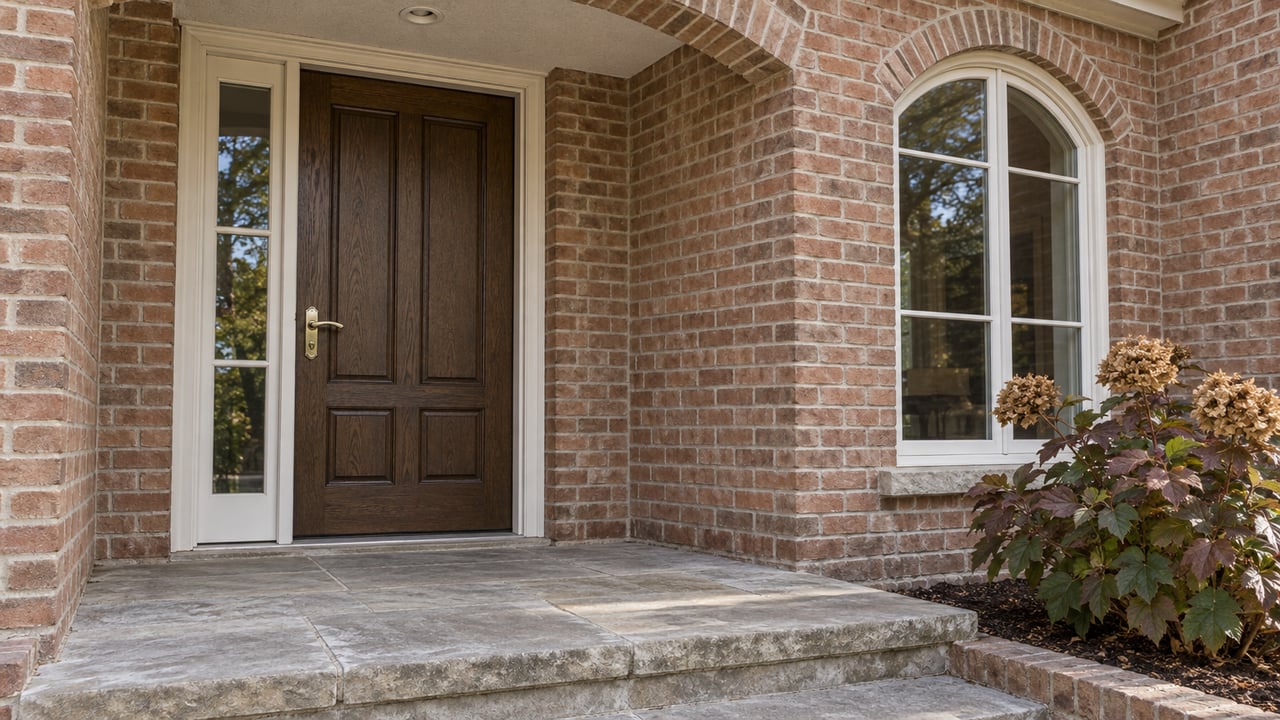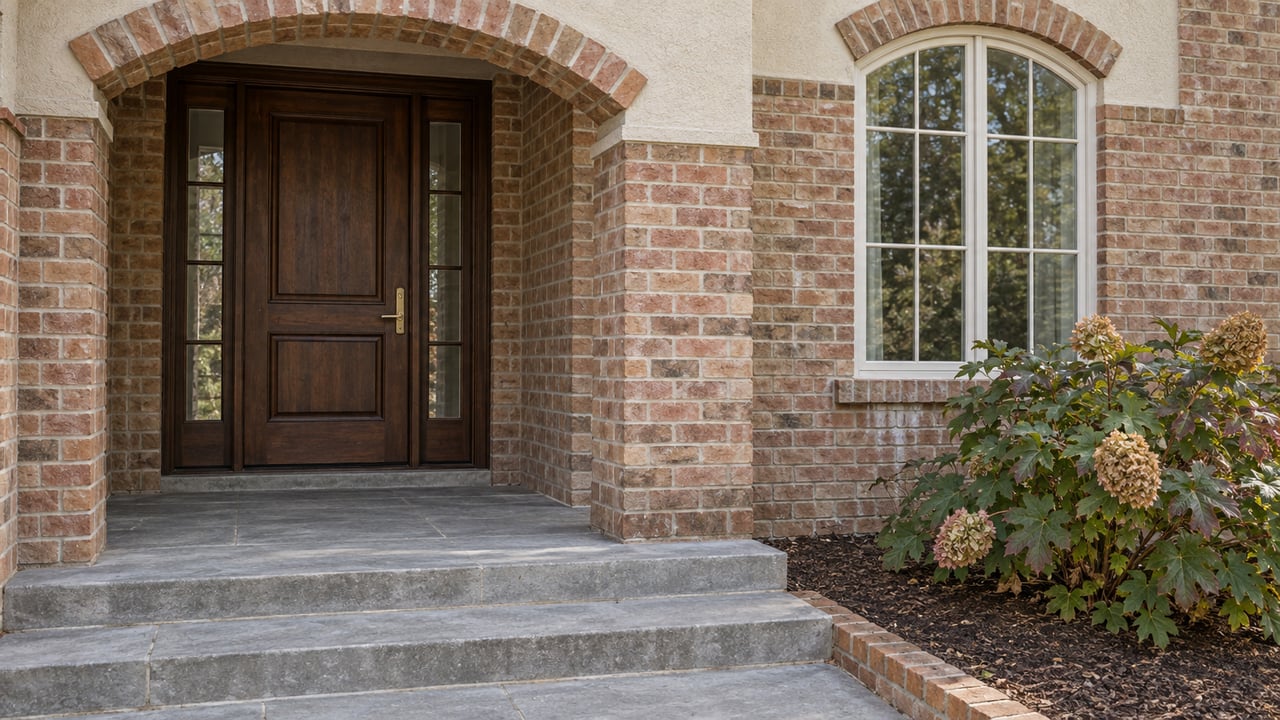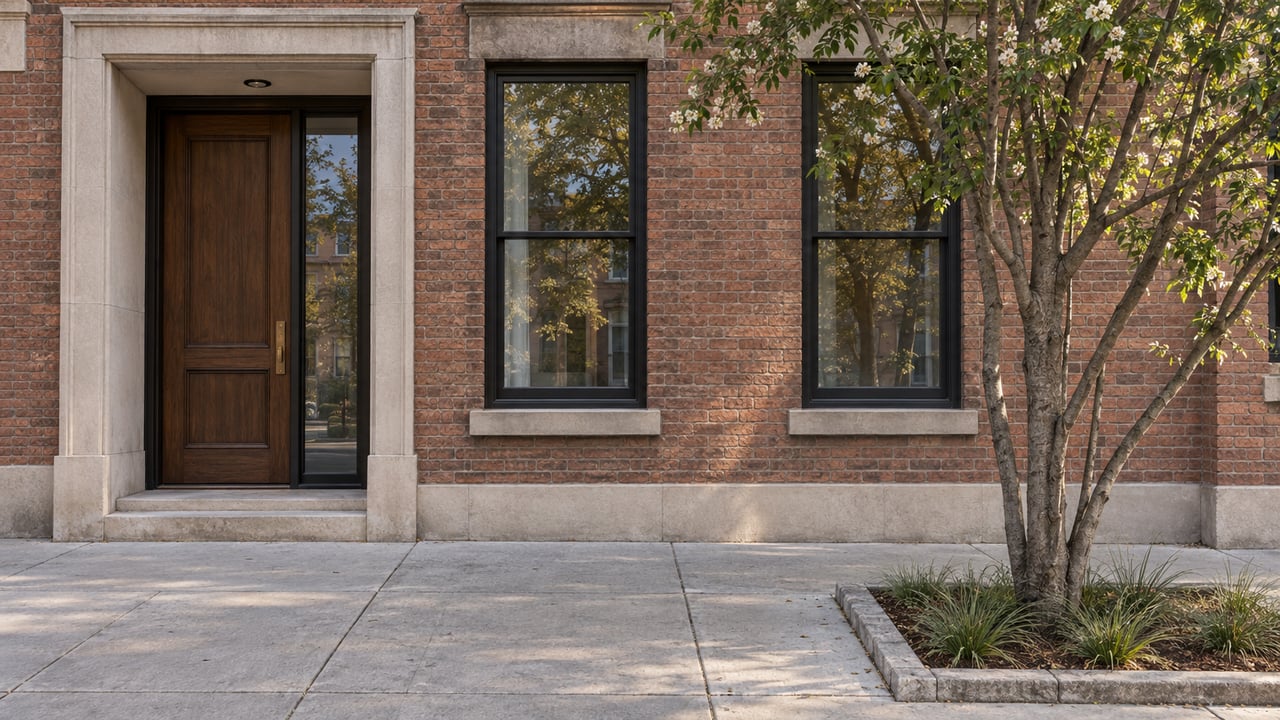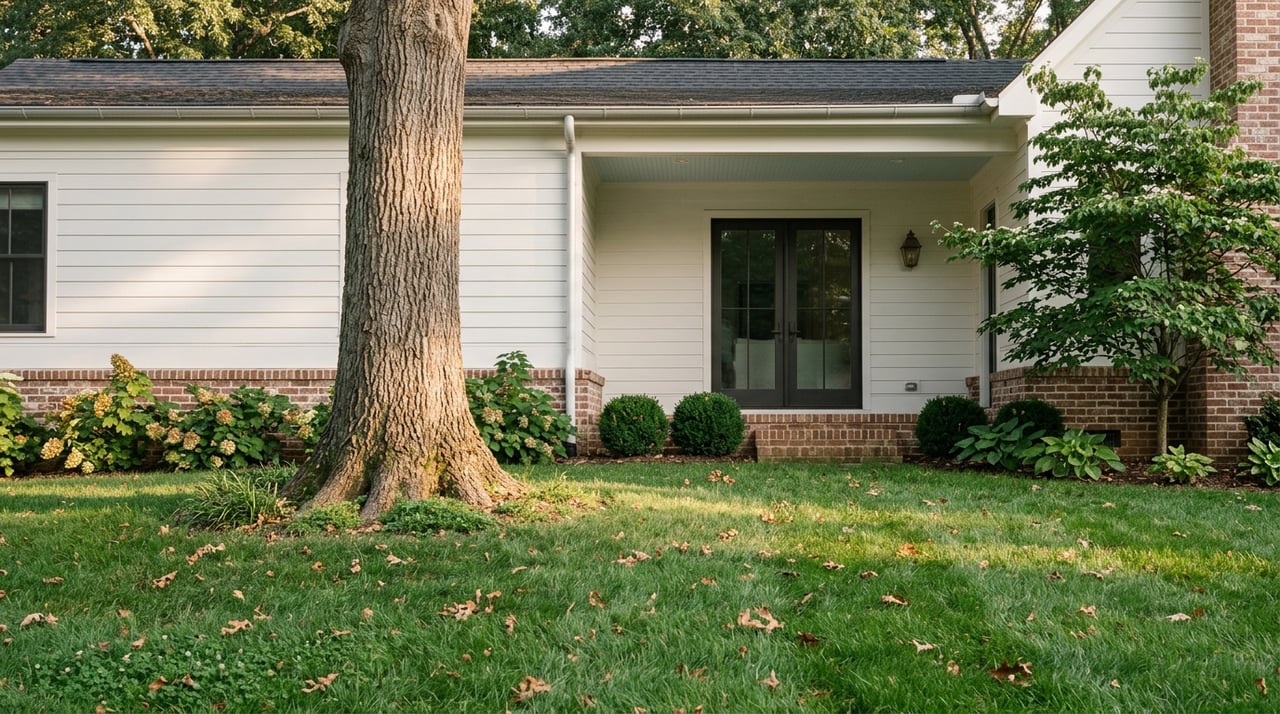
Walk down Hawthorne or Emerson on a summer evening and you understand immediately why Westmoreland photographs the way it does. A canopy of century-old oaks leans over the street. Garrott, Flora, and Burlington run at right angles beneath branches dense enough to turn noon into dusk. It is the same canopy that carries part of the Dogwood Arts Festival's Westmoreland trail through the neighborhood's wooded lanes and estate gardens every spring.
It is also, quietly, the thing eating your sewer line.
That is not a metaphor. It is what plumbers who work this neighborhood every week will tell you if you ask them directly: mature oaks, maples, and willows spend decades sending roots toward the warmest, wettest thing buried in the yard, and in a neighborhood built mostly between the 1920s and the 1980s, that warm wet thing is very often a clay or cast-iron pipe installed before anyone worried about root intrusion at all.
This matters to you as a seller for one specific reason. The Tennessee Code does not require you to inspect your own home before you sell it. Nolo says you may answer "unknown" and move on. But not knowing does not make the pipe younger, and it does not stop the roots. It only decides who finds the problem first, and that timing is worth real money.
What's Actually Under the Dogwood Trail
Old Westmoreland's housing stock runs largely from the 1920s through the 1980s, with the newer pockets, Westmoreland Hills, Westmoreland Estates, and Sherwood Oaks, added in the 1980s and 90s. Westmoreland Heights, the section anchored by Charles Barber's 1923 stone water wheel at Sherwood Drive and Westland Drive, has a median construction year of 1985.
That range matters because it lines up almost exactly with pipe material history. Cast iron sewer laterals typically hold up for 30 to 50 years in real soil conditions. Orangeburg pipe, the tar-impregnated material installed from the 1940s through the early 1970s, rarely lasts past 30 to 50 years and often fails sooner. Schedule 40 PVC, which didn't become standard until later, carries a design life of 50 to 100 years. Local Knoxville plumbing companies put the practical takeaway plainly: a house built before 1980 is very likely sitting on a sewer lateral already at or beyond the age contractors consider its safe working life. Fourth and Gill, Sequoyah Hills, and Bearden show up again and again in local plumbers' lists of Knoxville's classic root-intrusion neighborhoods, thanks to the same combination of old pipe and old trees. Westmoreland doesn't usually make that specific list, but its build years and canopy density put it in exactly the same category.
None of this is unique to a bad section of town or a poorly built house. It is simply what happens when a beautiful, mature tree canopy sits on top of 60 or 100-year-old clay joints. The tree that makes your listing photos glow is the same tree that has spent half a century looking for a way in.
What a Sewer Problem Actually Costs, By Severity
The dollar range here is wide, which is exactly why guessing is expensive. A camera scope tells you which number you're actually dealing with.
| Issue found | Typical cost | What it usually means |
|---|---|---|
| Routine root growth, no cracking | $300 to $600 for hydro-jetting | Maintenance item, can be scheduled and repeated every year or two |
| Camera inspection | $150 to $250, often credited toward repair | Baseline diagnostic every seller should have before listing |
| Isolated crack or offset joint | $800 to $2,500 for spot repair | Excavate and replace one section, not the whole line |
| Aging clay or Orangeburg line, multiple failure points | $4,000 to $12,000 or more for full replacement | Whole lateral swapped for PVC; Plumber Cost says Knoxville requires a permit |
| Collapsed or severely misaligned pipe | $3,500 to $25,000 depending on method and depth | CIPP lining runs $80 to $250 per linear foot, pipe bursting $60 to $200, open excavation $150 to $500 |
The spread between "routine maintenance" and "collapse" is not random. It is almost entirely a function of how long the problem has been growing unnoticed. A line that gets scoped and treated on a two-year schedule stays in the cheap rows of that table. A line nobody has looked at since the Reagan administration eventually lands in the expensive ones.
The Legal Loophole That Doesn't Actually Help You
Tennessee's Residential Property Disclosure Act does not ask you to investigate your own house. You fill out the disclosure form based on what you actually know, and the law explicitly does not require you to hire anyone, an inspector, an engineer, a plumber, to find out what you don't. "Unknown" is an available answer if you genuinely don't know.
A sewer line failure is not visible from the driveway.
Put those two things together and you get a quiet incentive structure that plays against most sellers without them realizing it. If you never scope the line, you have done nothing to protect your negotiating position: the buyer is going to hire their own inspector, and that inspector's camera does not care what you knew or didn't. It will find the same crack either way. The only question is when, and in whose hands the discovery lands.
Why the Buyer's Inspector Finding It First Costs You More
This is the part that actually changes what a seller should do, not just what a seller is legally required to do.
When you scope your own line before listing, you get to shop the repair. You can get quotes from more than one licensed plumber, choose trenchless lining or pipe bursting to protect the landscaping instead of trenching through it, and decide whether to fix it outright or disclose it and price the home accordingly. You control the number and the story.
When the buyer's inspector finds it during their option period, none of that is true anymore. You're now negotiating from inside a contract, usually with a closing date already circulating among movers and mortgage lenders, against a repair number the buyer's plumber wrote, not yours. Buyers under time pressure of their own tend to ask for the expensive fix, full replacement, not the routine maintenance, because they don't want to inherit an unknown. And if a previous repair on the property was never permitted through Knox County, that becomes its own disclosure complication layered on top of the original problem.
The mechanism is simple even if the paperwork isn't. Ignorance is cheap on the disclosure form and expensive at the negotiating table. Knowledge is the reverse.
A few things a pre-listing scope buys you directly:
- A documented baseline you can hand to a buyer's agent instead of an argument
- The choice between trenchless repair and open excavation, which matters enormously if your yard has mature specimen trees or an established garden bed
- Room to decide whether repairing or disclosing-and-discounting nets you more at closing
- A disclosure answer you can stand behind instead of one you're hoping doesn't come up
Before You List
If your house sits anywhere in Old Westmoreland, Westmoreland Heights, or one of the mid-century pockets built before 1980, call a licensed Knoxville plumber for a camera scope before you call a photographer. It typically runs $150 to $250 and is usually credited toward any repair you decide to move forward with. Ask specifically whether the lateral is clay, cast iron, or Orangeburg, and whether there's visible root intrusion at the joints. That answer, more than the paint color or the staged mantel, will shape how smoothly your closing actually goes.
FAQ
Does this only apply to the oldest streets in Old Westmoreland? No. The risk tracks pipe age and tree maturity more than any single subdivision boundary. Westmoreland Heights carries a median construction year of 1985, and even the 1980s-90s additions like Westmoreland Hills and Sherwood Oaks are old enough now that original laterals are approaching the end of their rated service life.
Can I sell without fixing a sewer issue I already know about? Tennessee law lets you sell as-is through a disclaimer statement if the buyer waives the full disclosure. Disclosing and pricing accordingly is a legitimate strategy.
What if I'd rather not spend money before listing at all? At minimum, get the camera scope. Even if you decide not to repair anything, knowing the actual condition lets you answer the disclosure form honestly and tell your agent how to price the home, instead of finding out the number during someone else's option period.
Every Westmoreland listing has a story the canopy tells above ground and a story the pipe tells below it. Sellers who read both before they list are the ones who close on their terms. If you're weighing when to bring your Westmoreland home to market, Johnnie Creel and the Creel Group can walk through what a pre-listing scope means for your specific street and vintage. Schedule a private consultation with the Creel Group to plan the listing before the first showing, not after the first surprise.
This article is general information, not legal, tax or financial advice. Consult a qualified professional about your situation.